
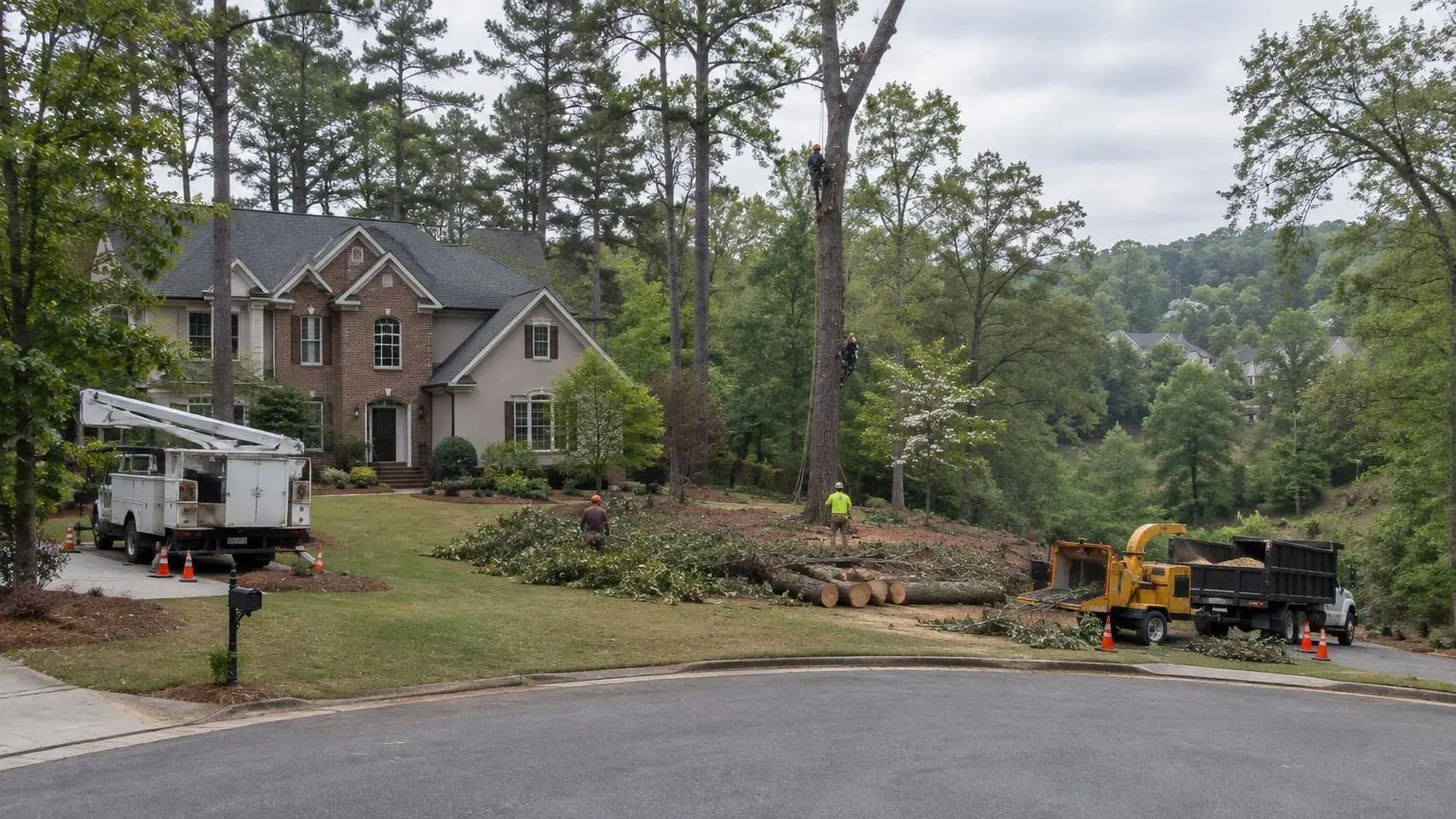
Before you decide to cut
Tree Health & Risk Assessments in Alpharetta, GA
Pine beetles, oak decline, root damage from construction and storm defects, checked tree by tree.
- Free visits to quote jobs throughout Alpharetta and nearby towns
- You get the price in writing, tree by tree
- We agree on haul-off before day one
Reading a Tree Before It Fails
Tree health and risk assessments answer one question for each tree: is it likely to fail, and if so, what can be done about it? For Alpharetta homeowners, that question usually starts with something they noticed: a pine turning yellow at the top, bark sloughing off an oak, mushrooms at the base of a trunk, a new lean after a storm, or a big tree beside a recent addition or pool. Sometimes the answer is that the tree is fine. Sometimes it needs pruning, treatment or removal. Either way, a clear answer lets you decide with real information.
What we look at
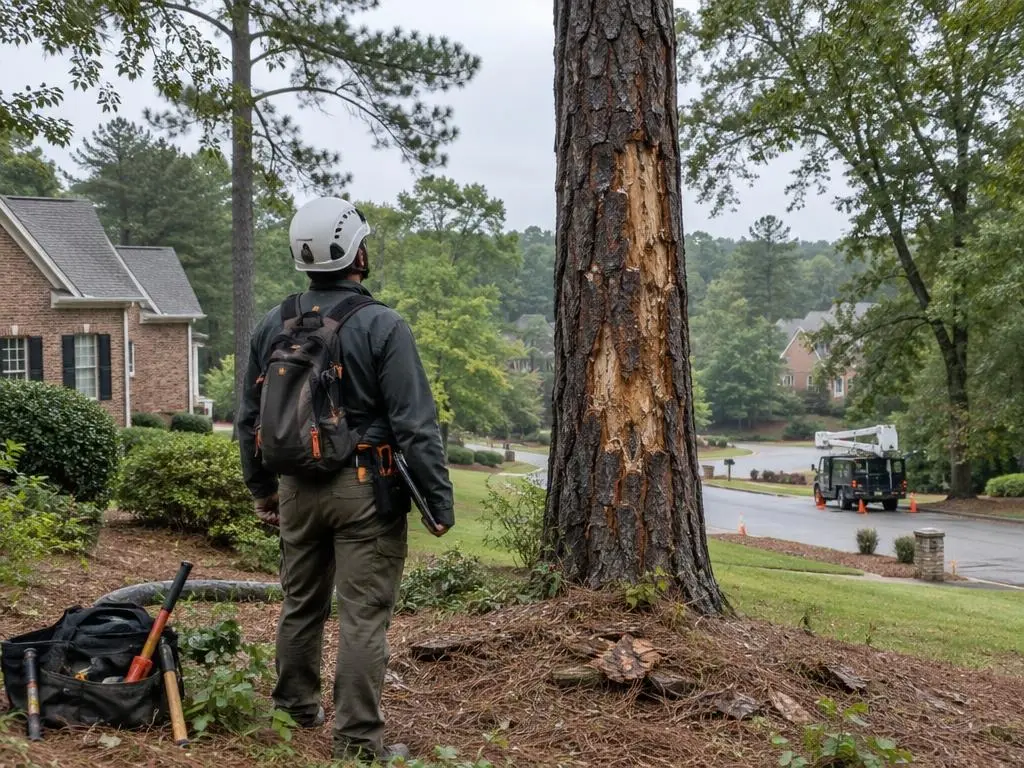
A visual assessment starts at the ground and works up. At the base: root flare buried or exposed, girdling roots, fungal fruiting bodies, cracks, cavities and soil heaving. On the trunk: seams, cankers, loose bark, old wounds and lean. In the crown: dead branches, thinning or off-color foliage, weak V-shaped forks with included bark, and limbs that hang over targets like the house or a play area. We also look at what has changed around the tree, since that is often the cause.
Pines and bark beetles
The Georgia Forestry Commission links Ips engraver beetle outbreaks to drought, and lists the signs: a discolored crown, dying branches, pitch tubes, red sawdust on the bark and frass in spider webs at the base, with I-, H- or Y-shaped galleries under loose bark. Preventive systemic insecticides may help protect a high-value pine before it is attacked, but once symptoms appear the tree cannot be saved. Our job is to tell you which pines are already lost, which nearby ones are at risk, and which are healthy.
Oaks, hypoxylon and construction
The USDA Forest Service describes hypoxylon canker as a fungus that lives in the bark of healthy oaks and other hardwoods and does little harm until the tree is weakened by drought, root disease, mechanical injury or construction. Then it can kill the tree. That pattern is common in North Fulton, where houses, pools and additions are built inside the root zones of large oaks. UGA Extension notes that active roots grow mostly in the top 18 inches of soil and that the root zone can span 1 to 1.5 times the tree's height, so damage from trenching or heavy equipment often shows up in the crown a few years later.
Emerald ash borer
Emerald ash borer was first detected in Georgia in 2013 in Fulton and DeKalb counties and had been found in 53 Georgia counties by 2023. Ash is not a dominant yard tree here, but where green or white ash grows near a house, it is worth checking for thinning crowns, woodpecker damage and D-shaped exit holes.
Specimen trees and permits
Alpharetta protects larger specimen trees, and city rules call for a closer look before they can come out. An assessment helps in two directions: it can show that a declining specimen tree has a real reason to be removed, or it can show that a healthy one is worth keeping with some pruning or support. Assessments are visual and practical, and if a tree needs advanced testing such as resistance drilling or a formal written risk report, we will tell you.
Typical Jobs
An assessment ends with a short list of recommendations for each tree, in plain language.
Hazard checks
Trees over houses, driveways and play areas checked for decay, cracks, weak forks and lean.
Pine beetle checks
Fading pines examined for pitch tubes, boring dust and galleries, with nearby pines checked too.
Oak decline and canker
Oaks with thinning crowns or sloughing bark checked for hypoxylon and root injury.
Construction impact review
Trees near a planned addition, pool or driveway reviewed, with root zone protection suggestions.
Post-storm inspection
Standing trees checked after high winds or ice for hidden cracks and loosened roots.
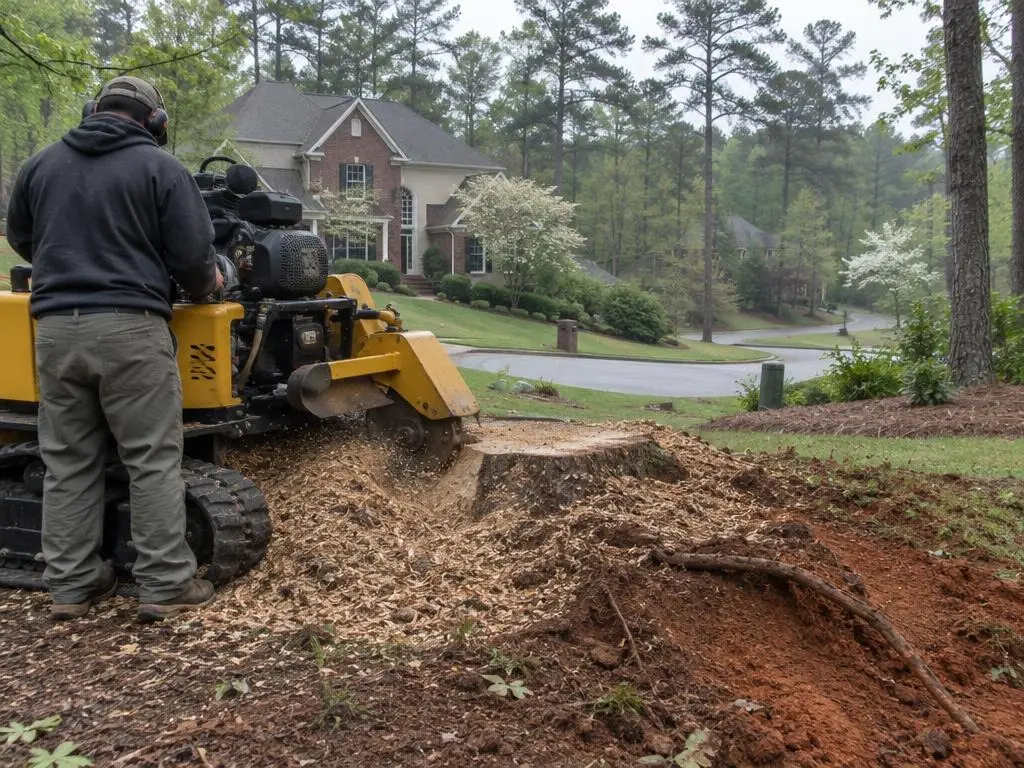
Tree Assessment Cost Guide
| Job | Published range |
|---|---|
| Consultation or tree inspection (HomeGuide) | $100 to $250 |
| General tree inspection (HomeAdvisor) | $75 to $150 |
| Single-tree consultation and report (HomeGuide) | $150 to $450 |
| Multiple trees on one site, with report (HomeGuide) | $300 to $700 |
| Arborist report for a permit (HomeGuide) | $150 to $700 |
| Tree injection treatment (HomeAdvisor) | $50 to $200 per tree |
Ranges from HomeGuide's 2026 arborist cost guide and HomeAdvisor (June 2026), both national. Written reports and multiple trees cost more than a walk-through. Our standard estimates for tree work are free; your written estimate is the price.
How It Works
1. Tell us what you noticed
Which tree, what changed, and when. Photos of the crown and base help.
2. On-site look
We check root flare, trunk and crown, and what has changed around the tree.
3. Plain recommendations
Keep and monitor, prune, treat, support or remove, with the reasons for each.
4. Next steps
If work is needed, you get a written quote; if a specialist test is needed, we say so.
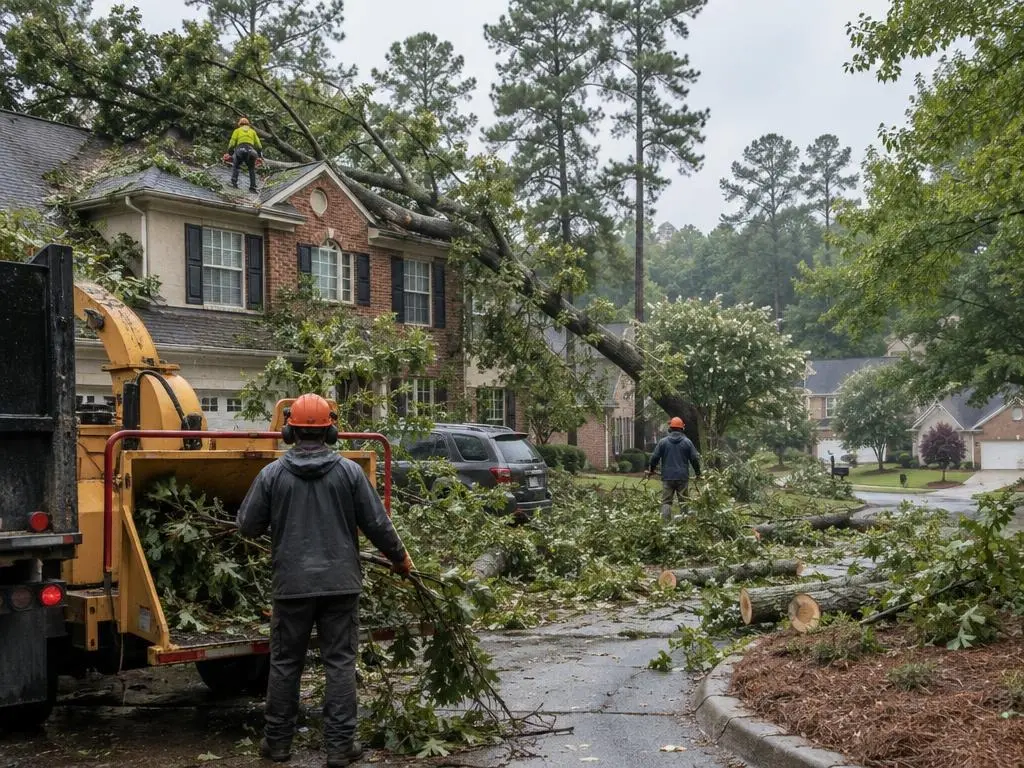
Why Choose Us for Tree Health & Risk Assessments
No pressure to remove
If the tree is sound, we tell you, and the recommendation stops there.
Local problems known
Beetles in pines, hypoxylon in stressed oaks and construction root damage are the common causes here.
Honest about limits
Visual checks answer most questions; when they cannot, we say what further testing would show.
Tree Health & Risk Assessments Questions
How can I tell if my tree is dangerous?
Warning signs include large dead limbs, cracks in the trunk, cavities, mushrooms at the base, a new lean with heaved soil, and bark falling off in patches. Any of those on a tree near the house deserves a professional look.
My oak has bark falling off with a gray crust underneath. What is it?
That description fits hypoxylon canker, which the USDA Forest Service says affects oaks weakened by drought, root damage or construction. By the time the crust shows, the tree is usually in serious decline. We can confirm what we see and tell you whether the tree should come down.
Can a beetle-infested pine be treated?
Not once symptoms show. The Georgia Forestry Commission says preventive systemic insecticides may protect high-value pines before attack, but a pine already showing fading needles and pitch tubes cannot be saved. Nearby pines can be watched or protected.
We are building an addition near a big oak. Can it survive?
Often, if the root zone is protected. That means fencing off as much of the area under and beyond the canopy as possible, keeping equipment and materials off it, and avoiding trenching close to the trunk. A look before construction starts is far more useful than one after.
Tree Health & Risk Assessments Service Areas
- Tree Service in Alpharetta, GA
- Tree Service in Roswell, GA
- Tree Service in Milton, GA
- Tree Service in Johns Creek, GA
- Tree Service in Sandy Springs, GA
- Tree Service in Dunwoody, GA
- Tree Service in Cumming, GA
- Tree Service in Suwanee, GA
- Tree Service in Duluth, GA
- Tree Service in Peachtree Corners, GA
- Tree Service in Norcross, GA
- Tree Service in Berkeley Lake, GA
- Tree Service in Sugar Hill, GA
- Tree Service in Buford, GA
- Tree Service in Brookhaven, GA
- Tree Service in Chamblee, GA
- Tree Service in Doraville, GA
- Tree Service in Tucker, GA
- Tree Service in Lawrenceville, GA
- Tree Service in Mountain Park, GA
- Tree Service in Crabapple, GA
- Tree Service in Lilburn, GA
Get a Tree Health & Risk Assessments Estimate
Worried about a tree? Ask for a free look.